



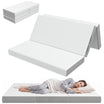
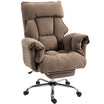






For Shared Living & Everyday Togetherness
- Spend time with family or housemates
- Need seating for more than one person
- Use the living room as a social space
- Want flexible, everyday comfort

Choose What Fits Your Life.
Find Your Perfect Seat
Choose the right seat for your life.
We all need rest, but what’s the right way to rest? Sitting on the right seat can make all the difference in how you feel at the end of the day. Take a moment to discover which seat is best for you.
These are the seats people choose when everyday comfort really matters. Designed to support proper rest, not just a quick sit.
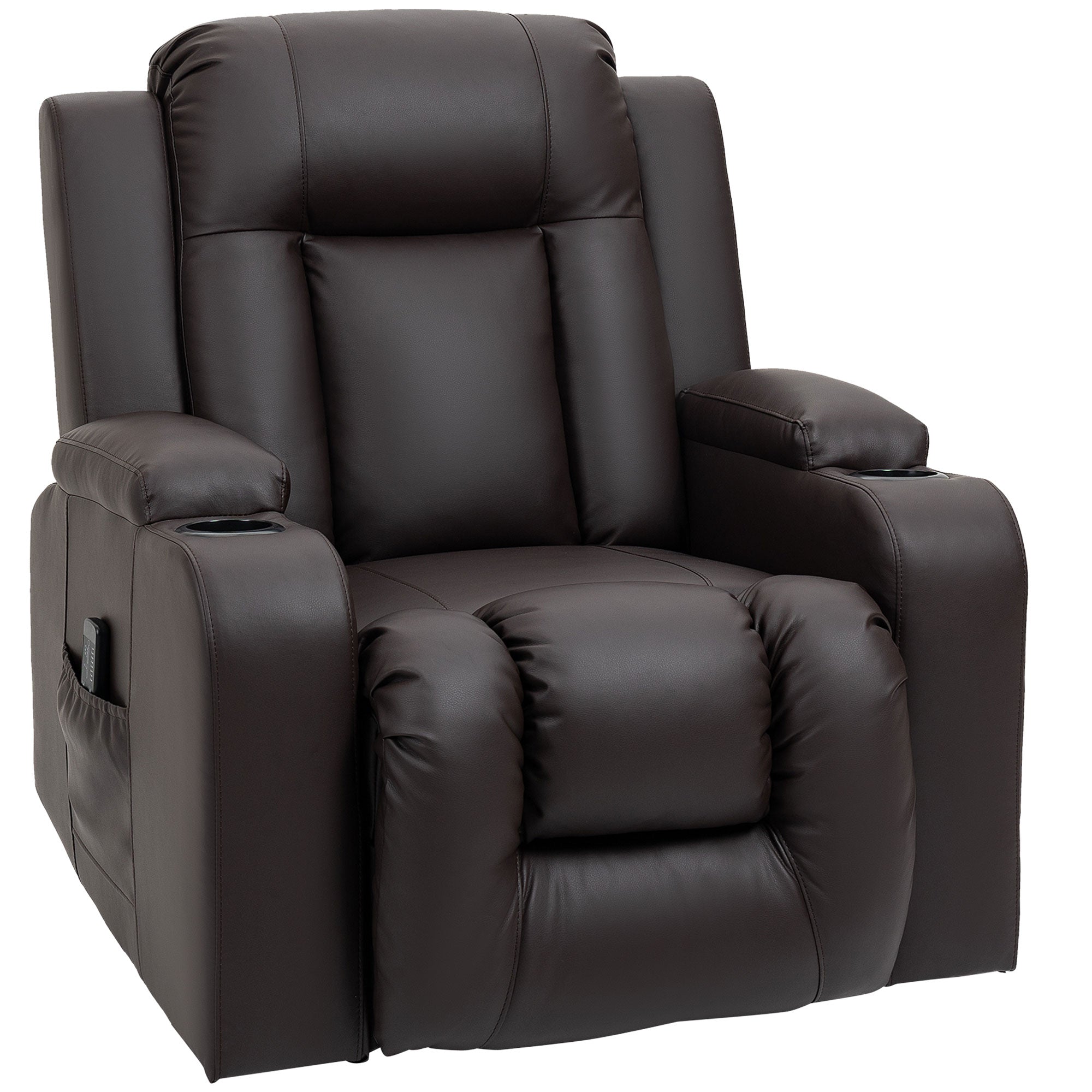
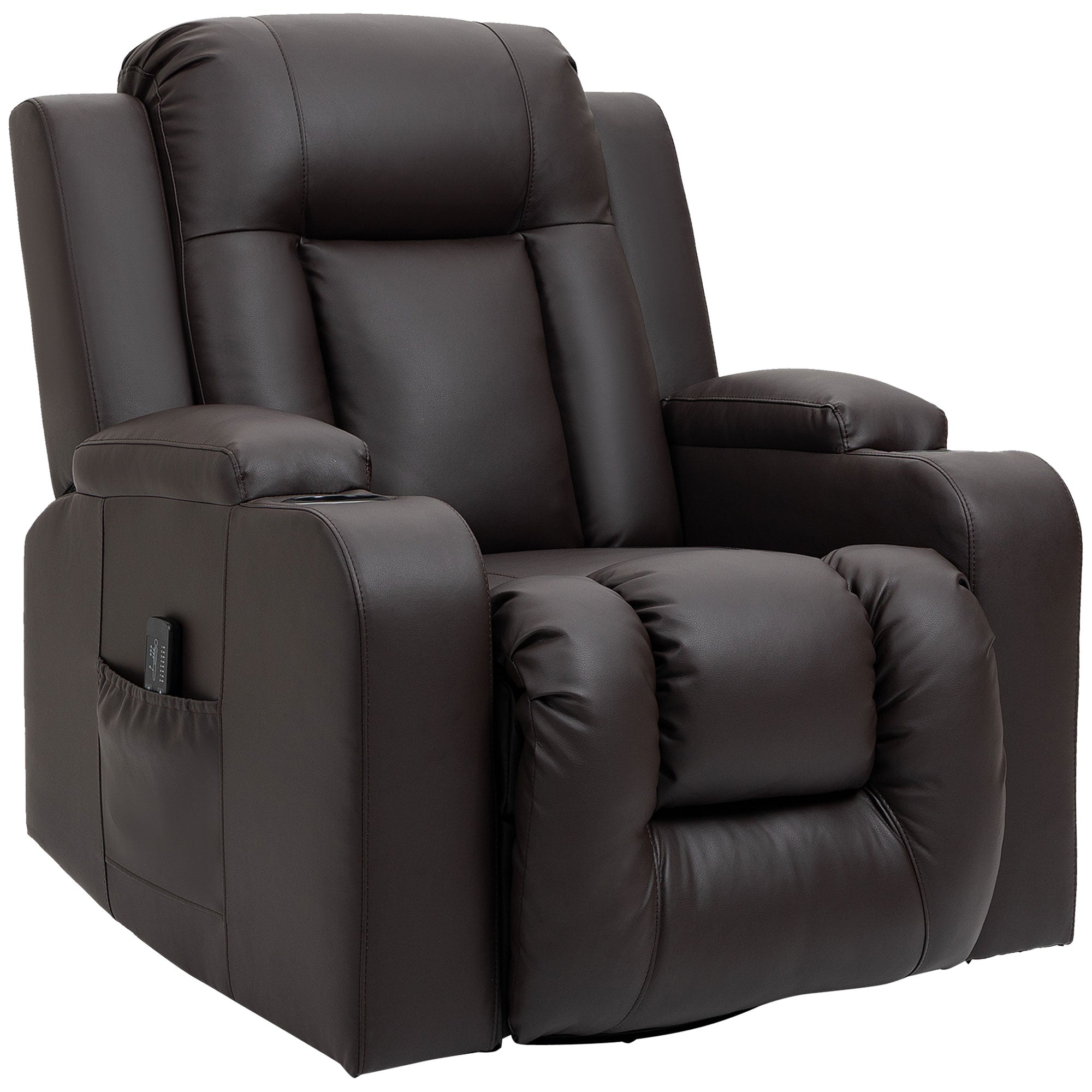
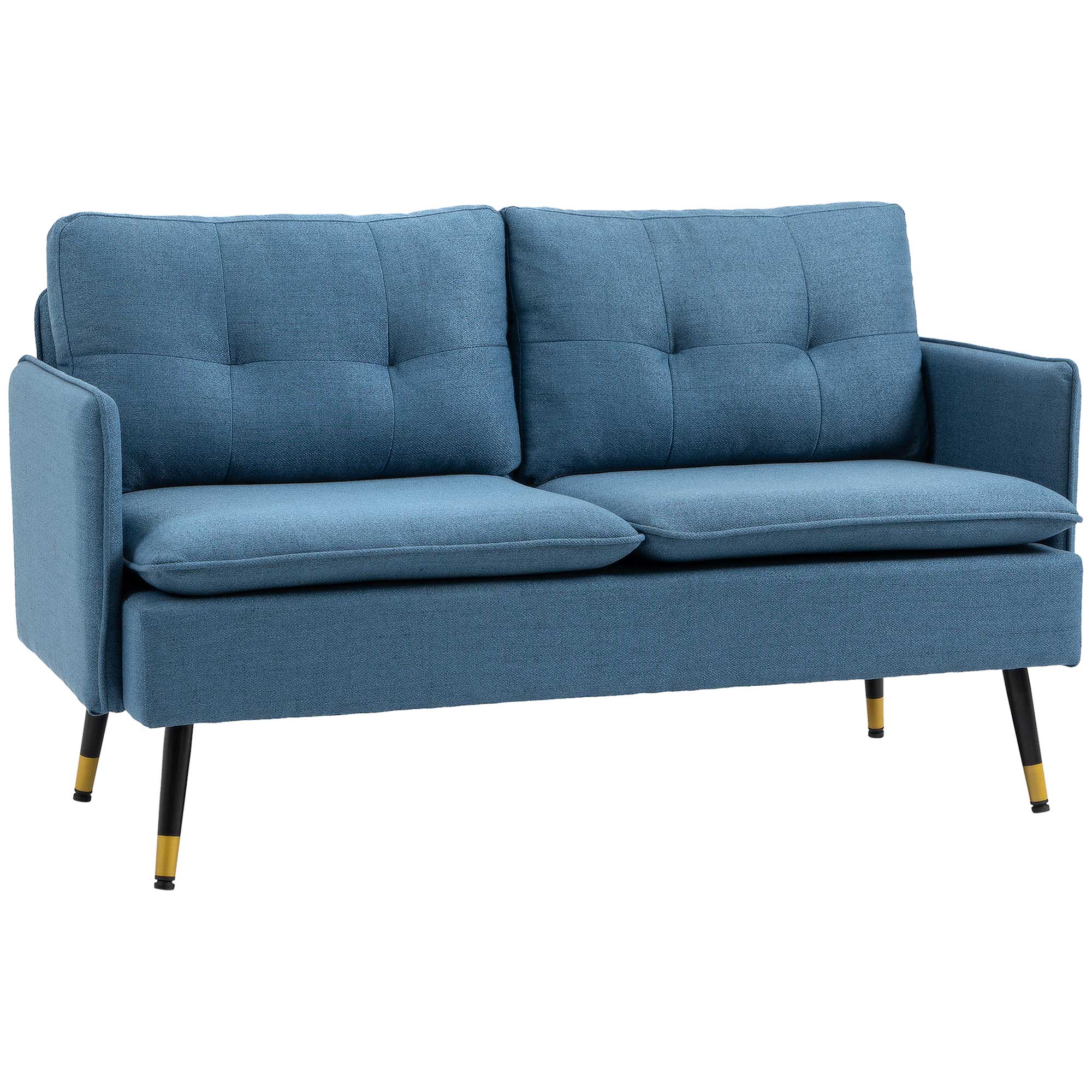
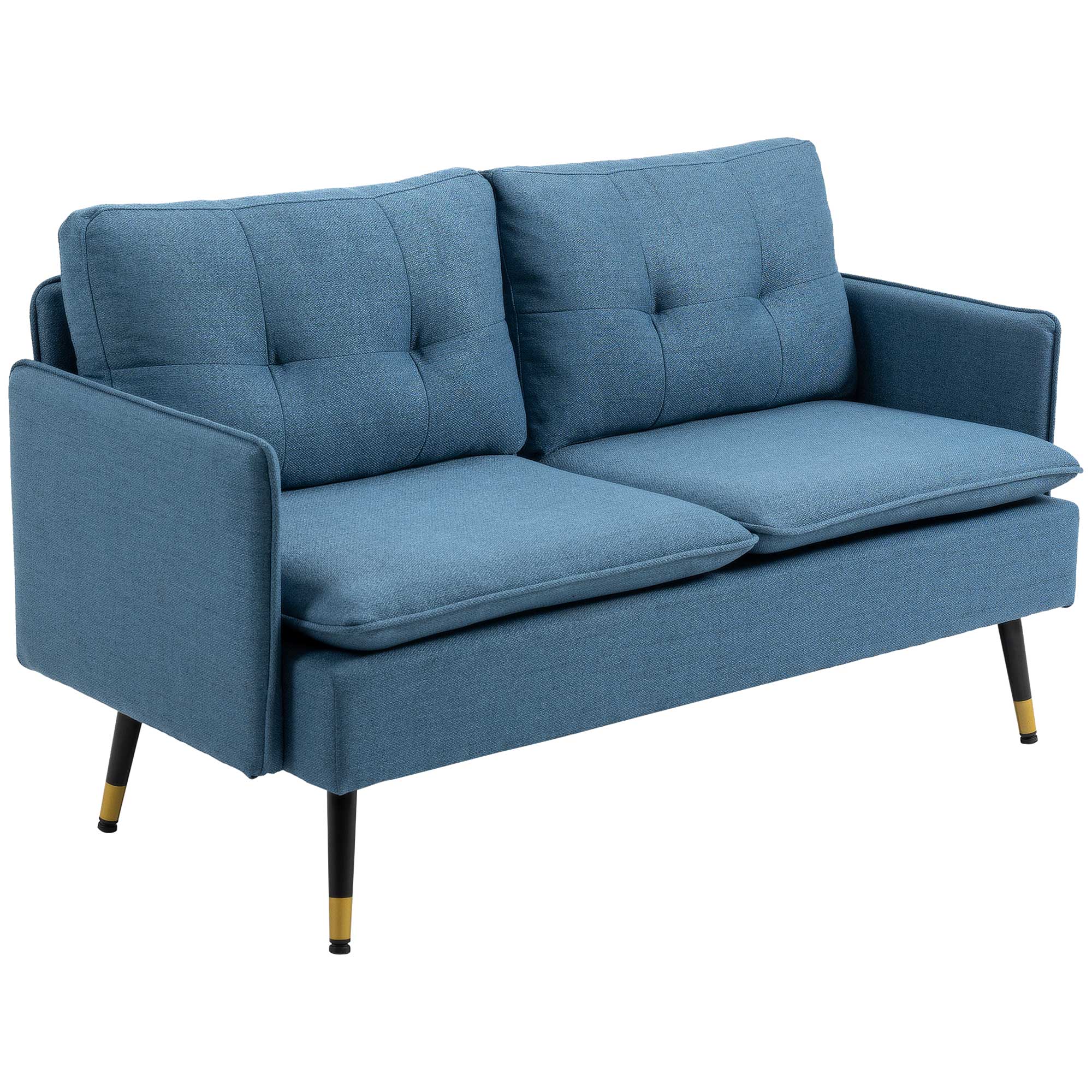
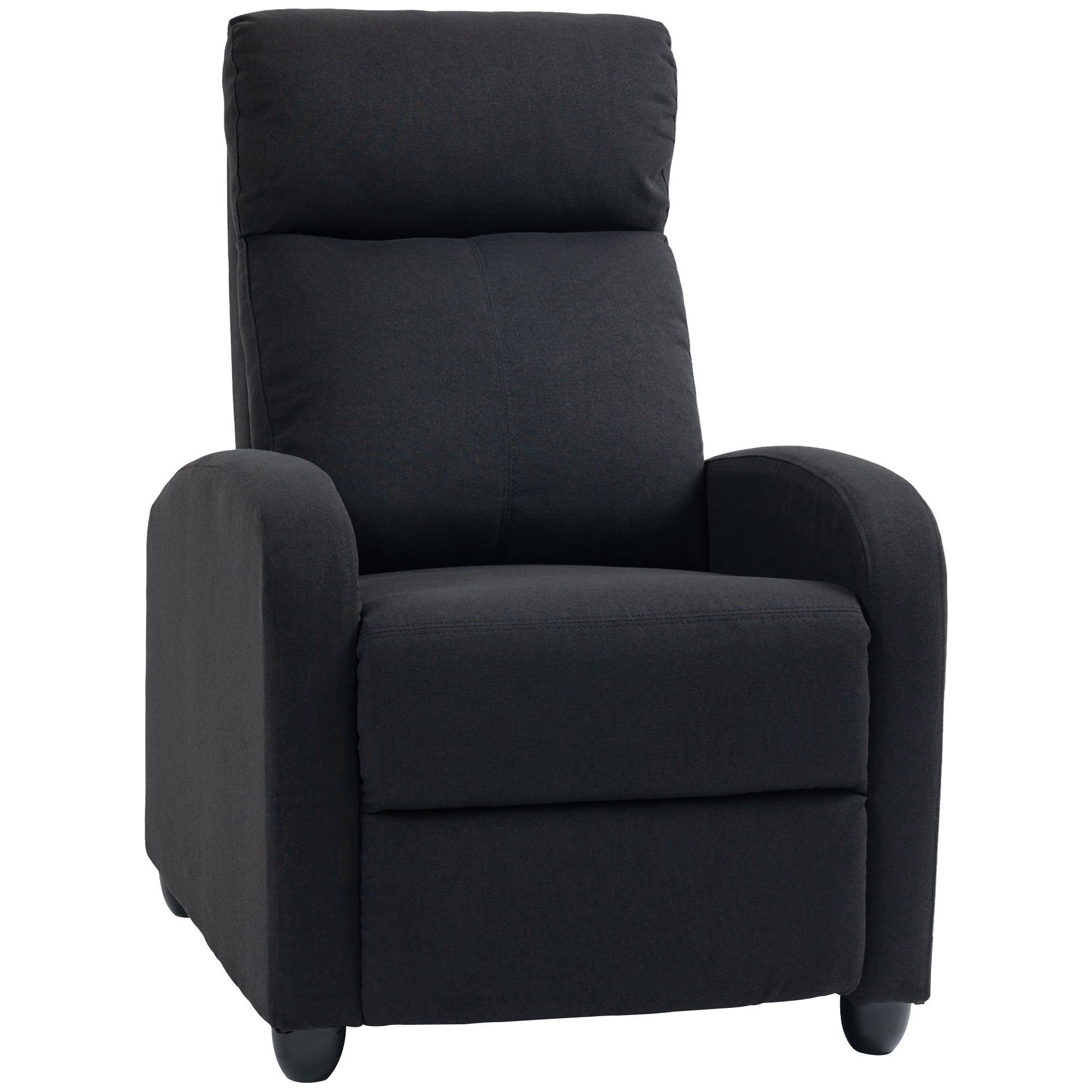
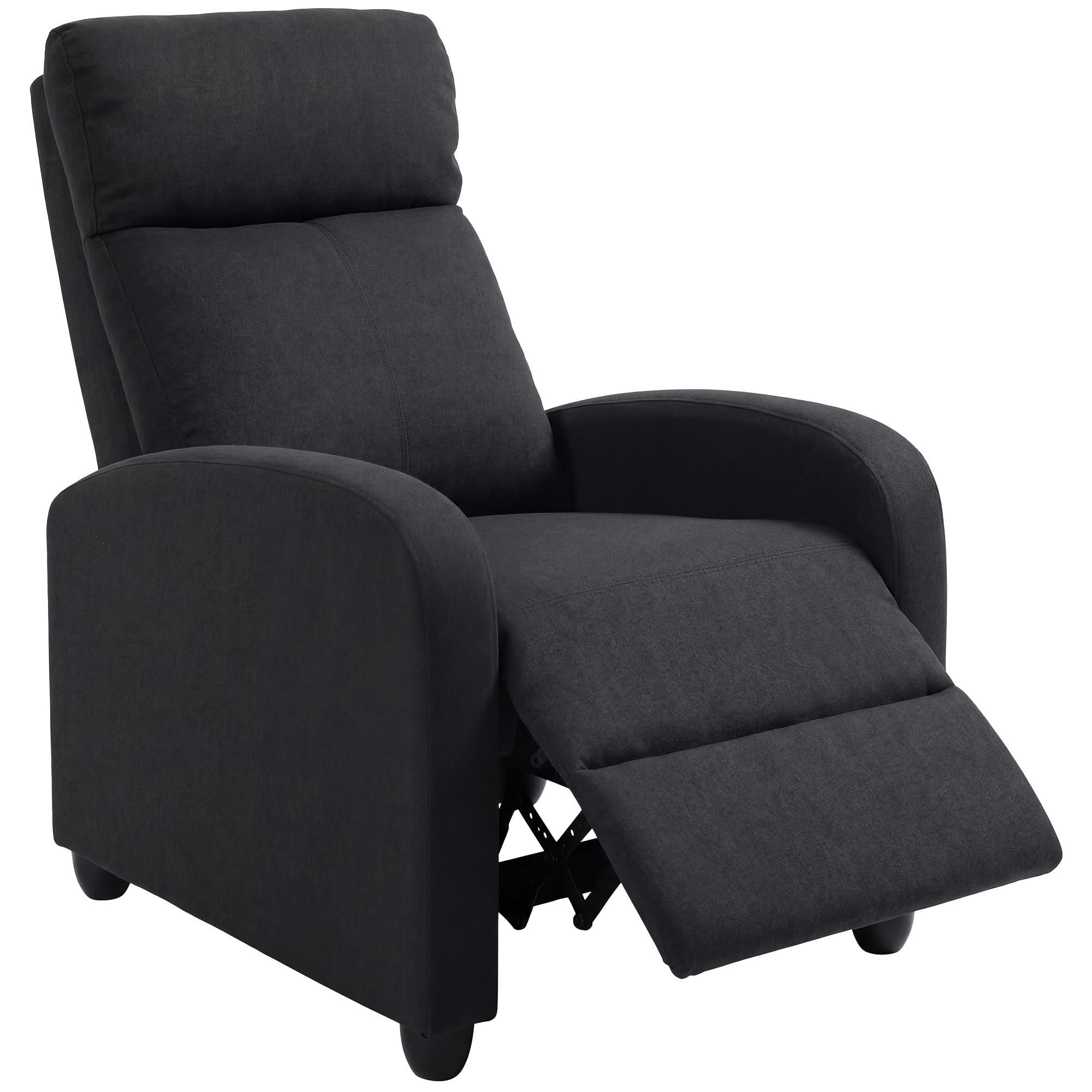
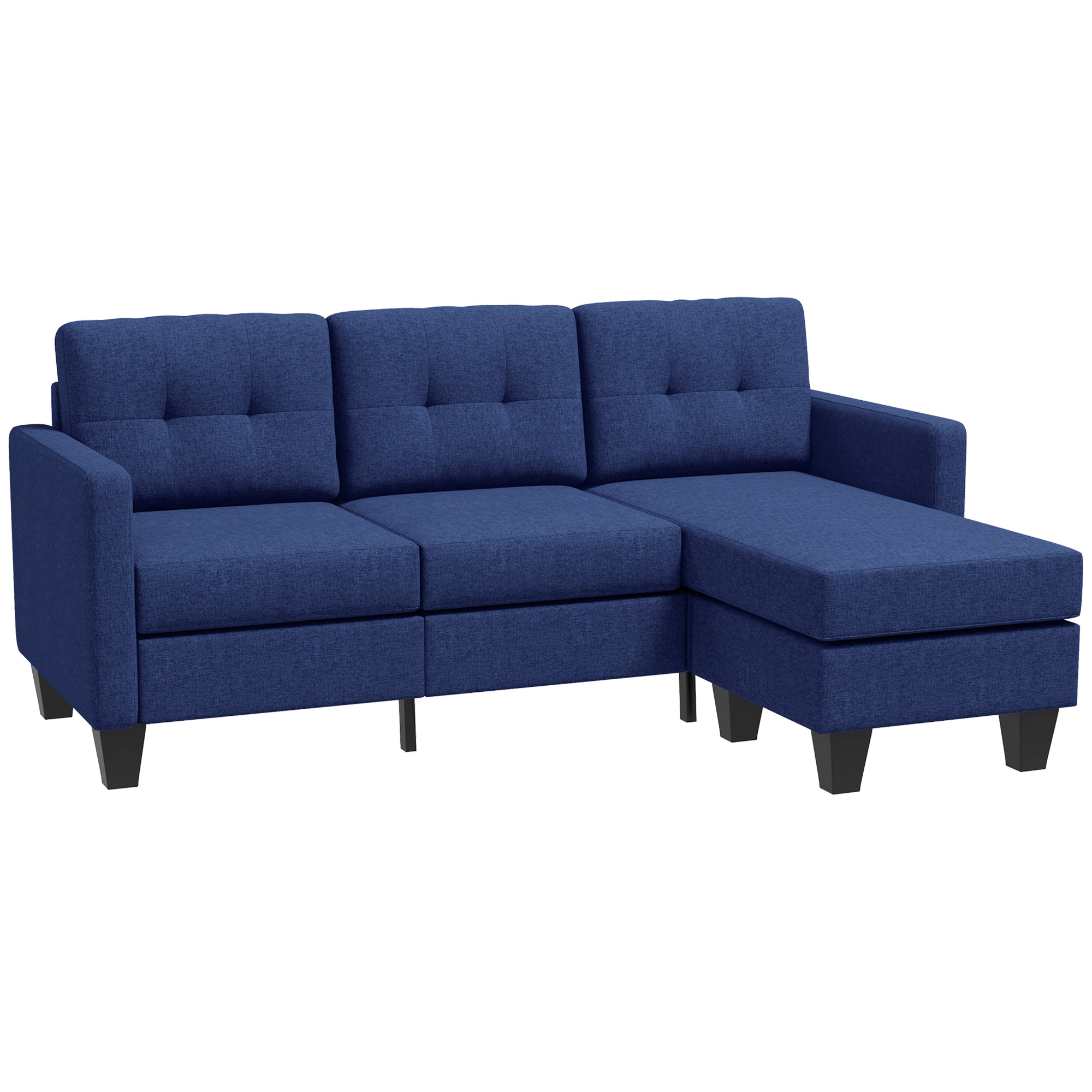
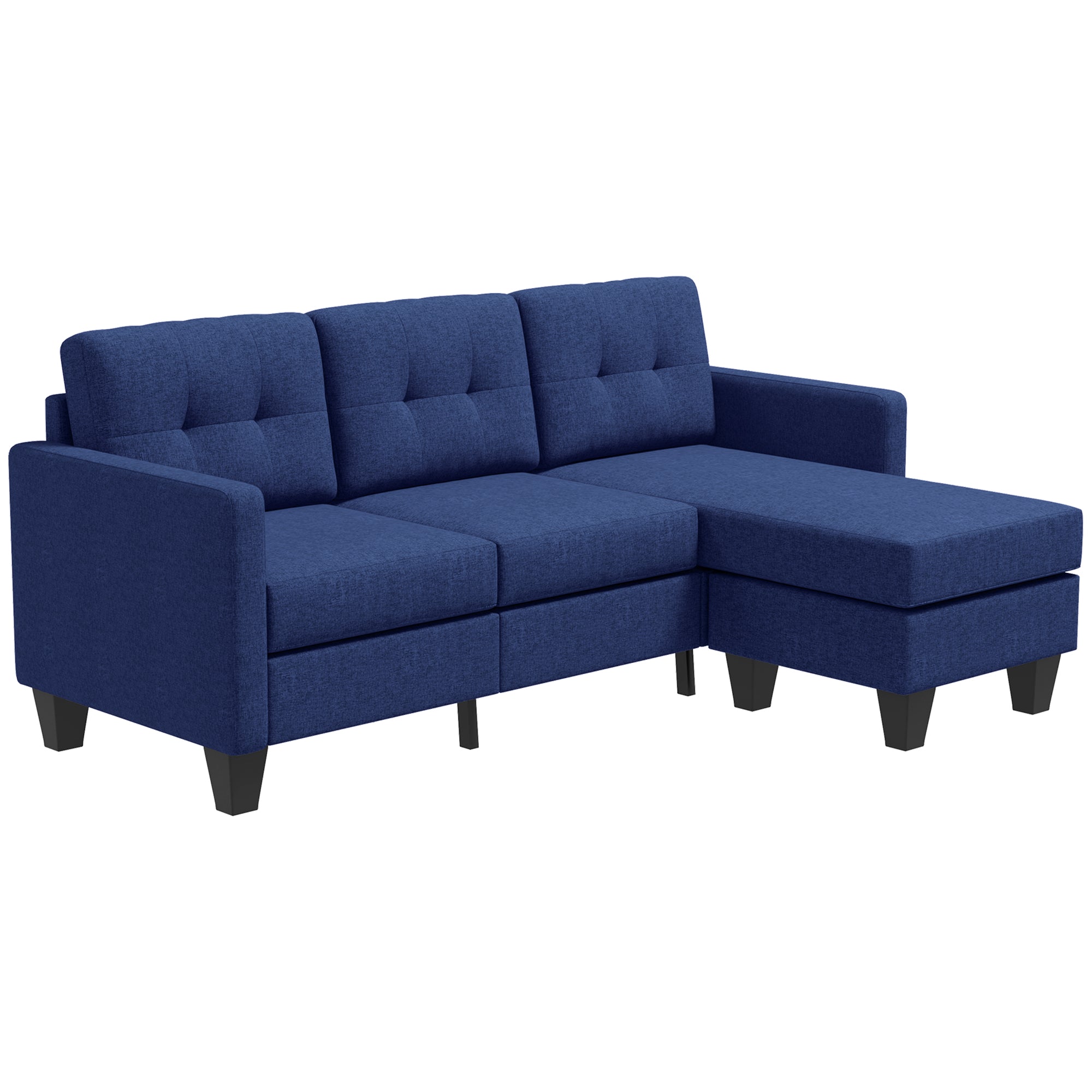
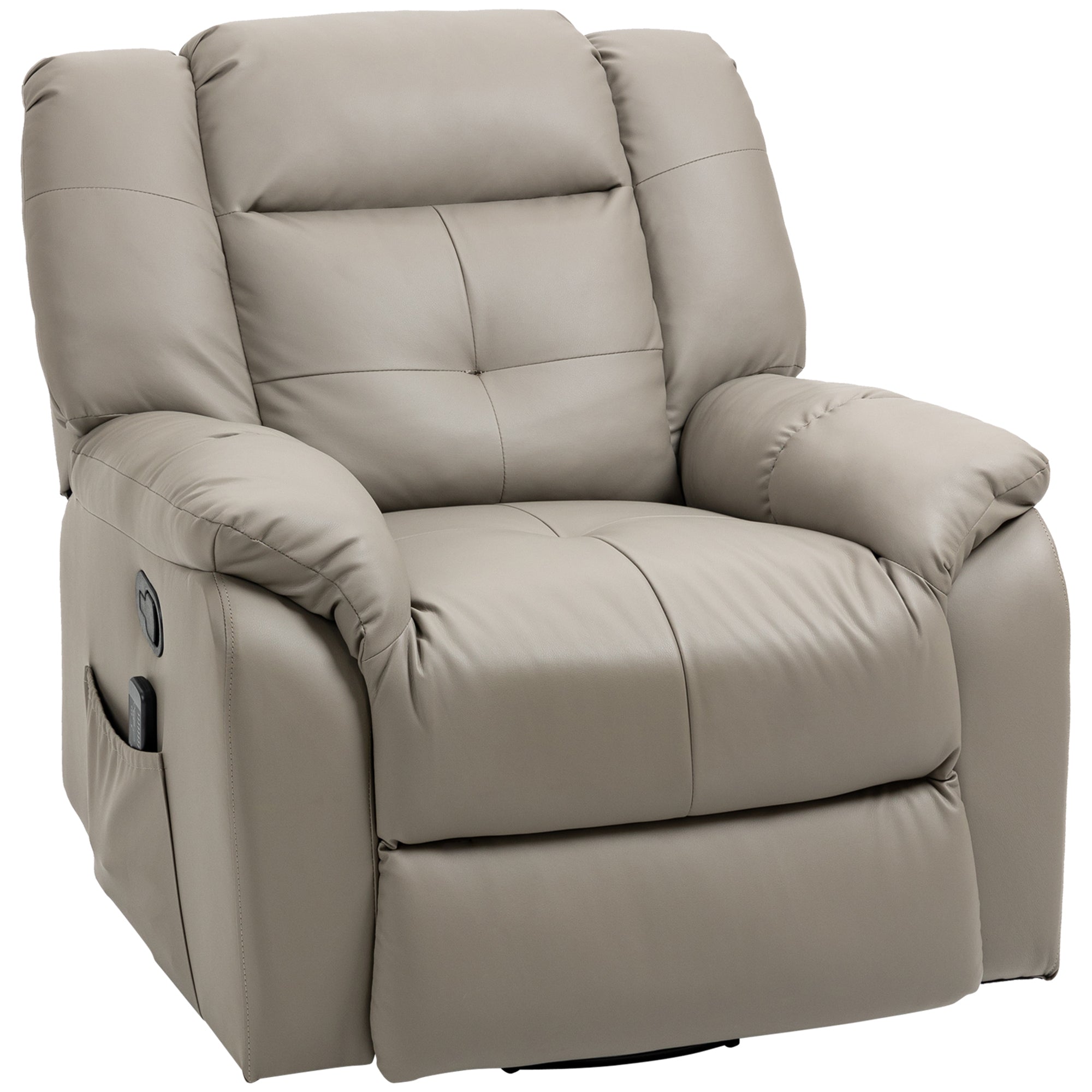
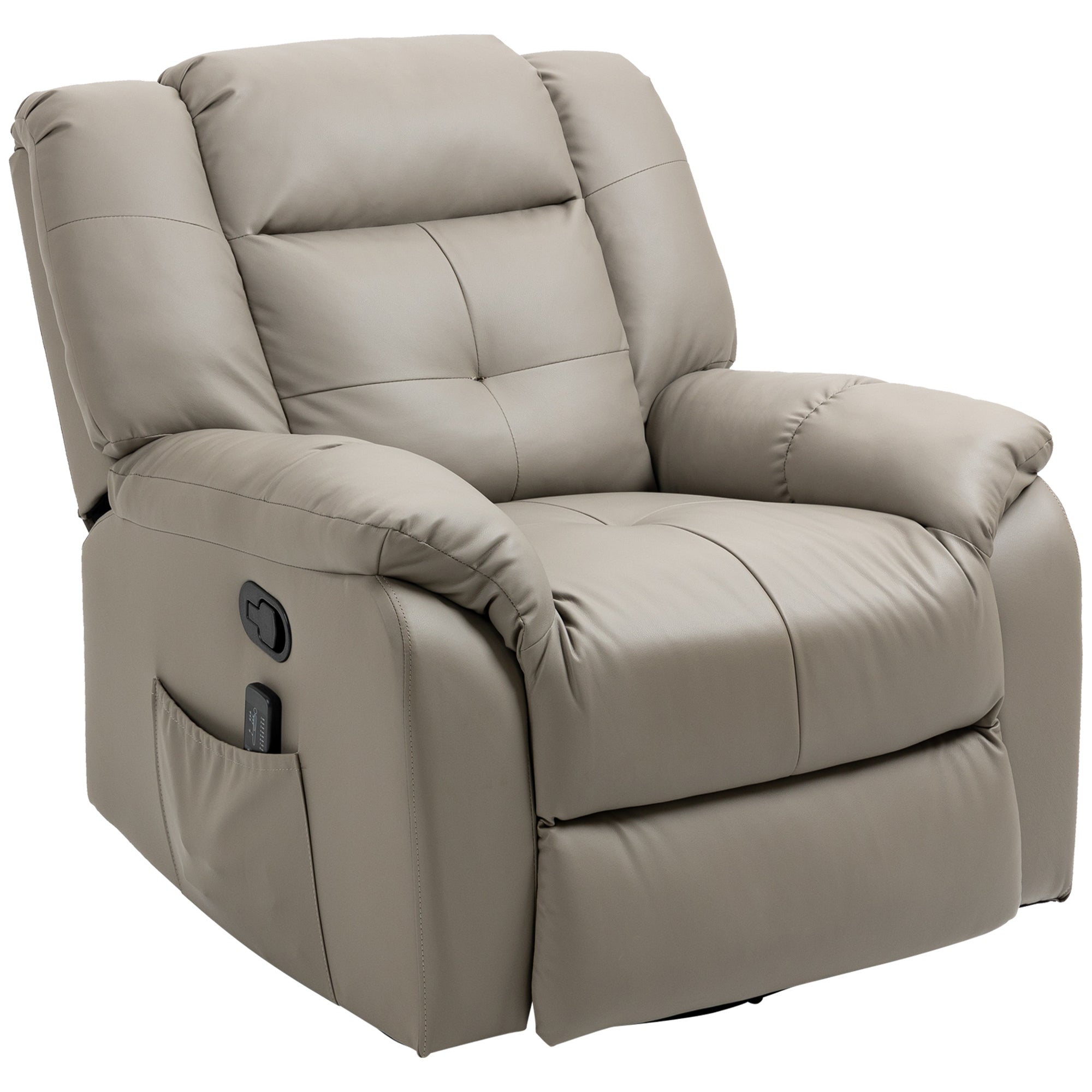
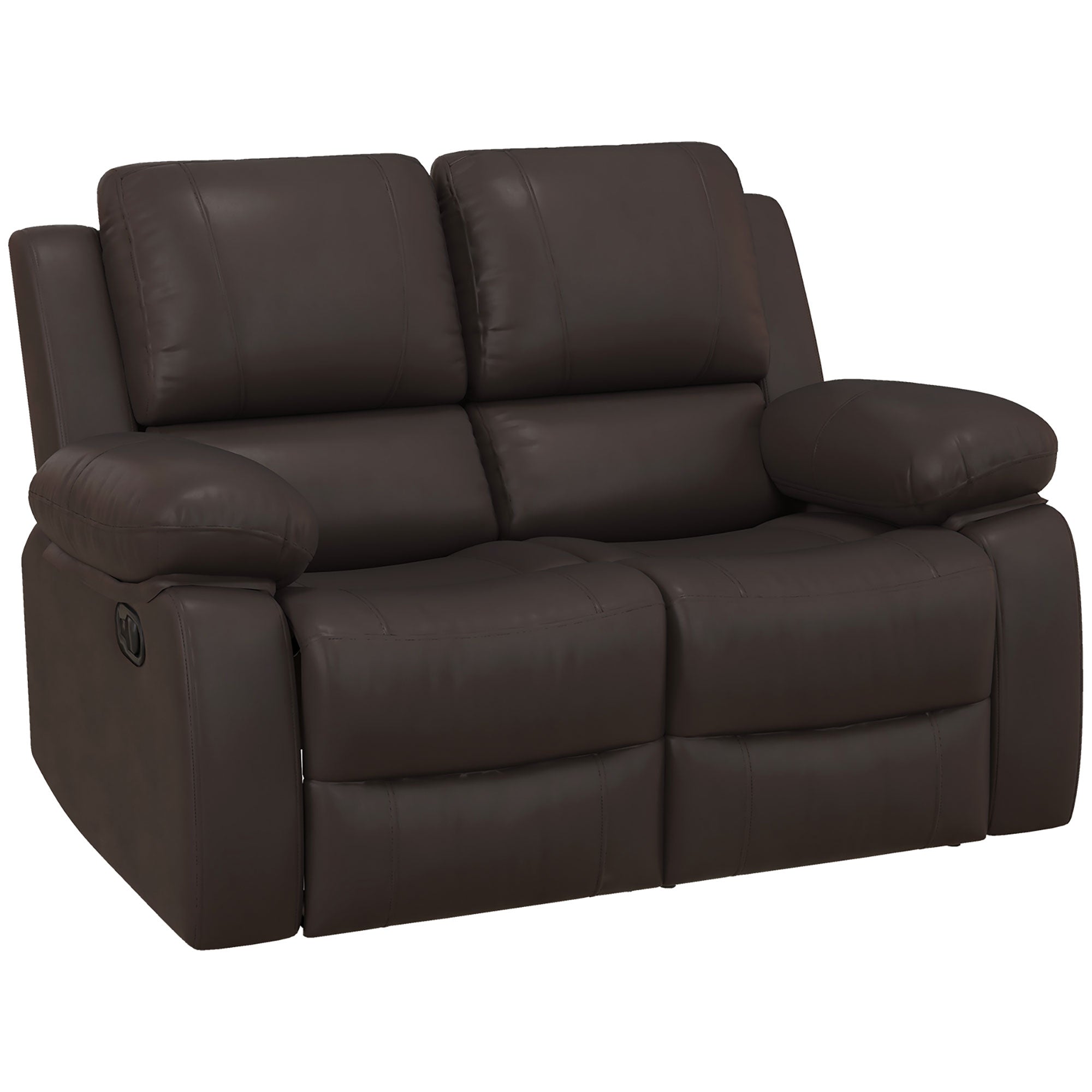
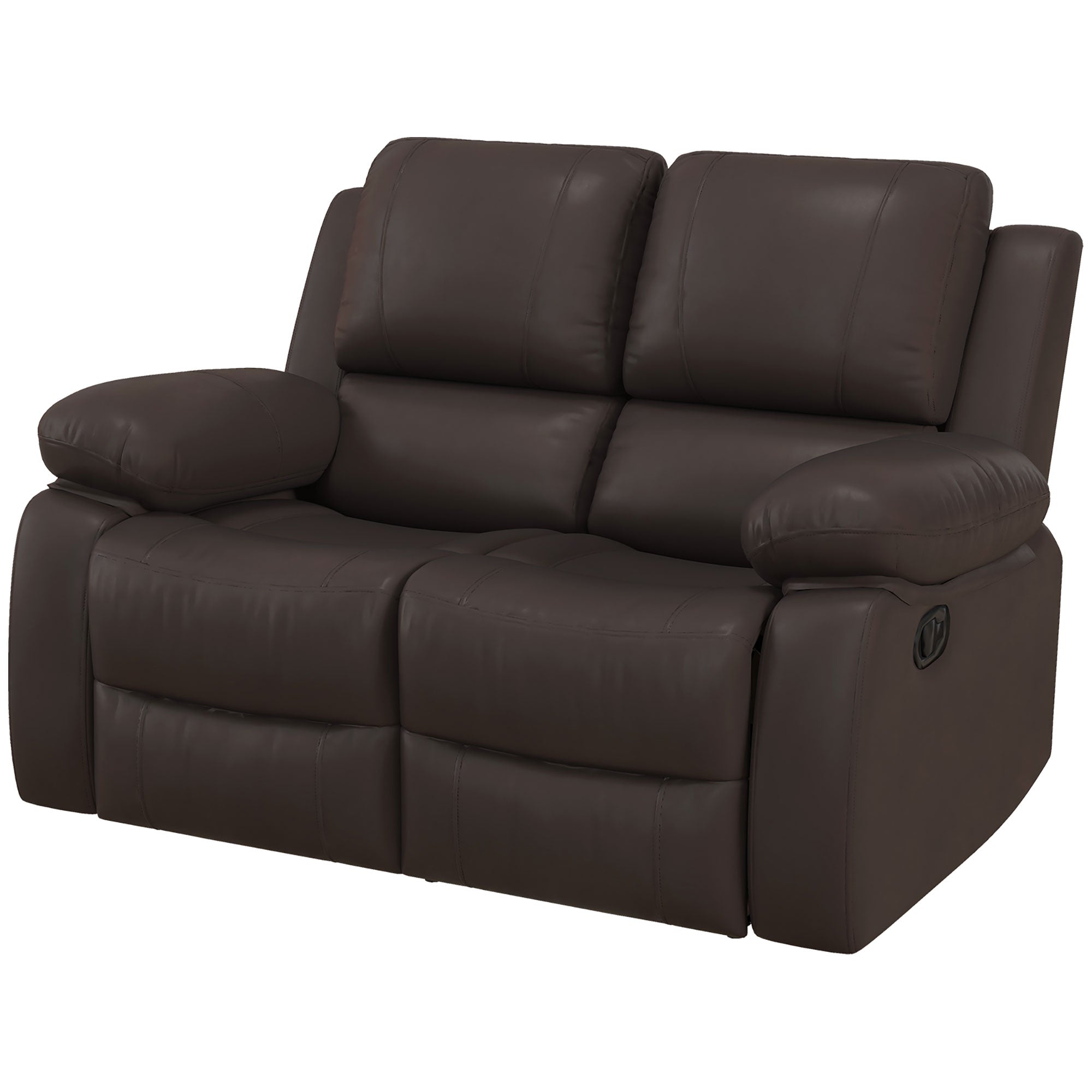
At HOMCOM, we believe good furniture doesn’t compete for attention. It quietly supports everyday life. The right seat doesn’t just fill a space — it helps you rest better, every day.

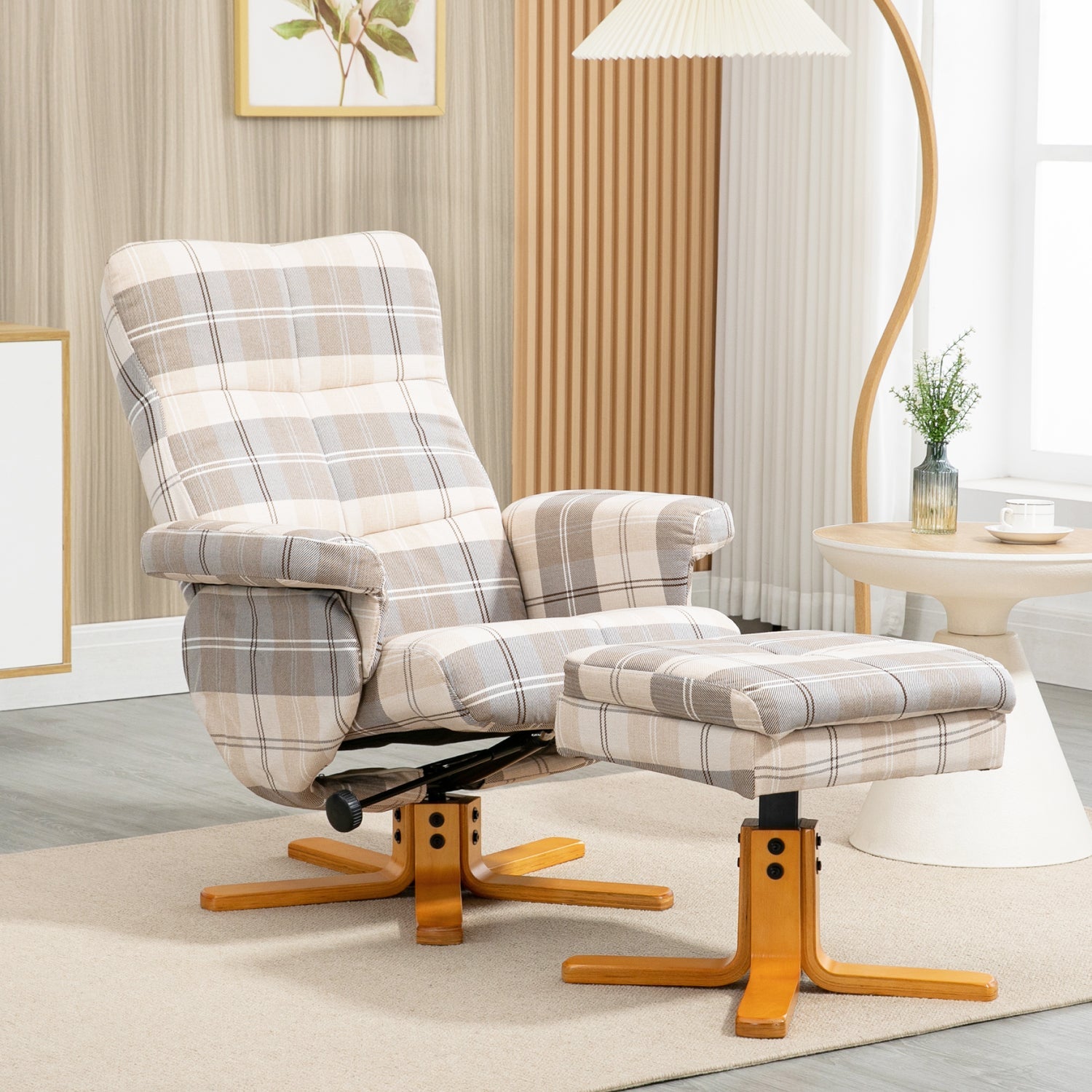
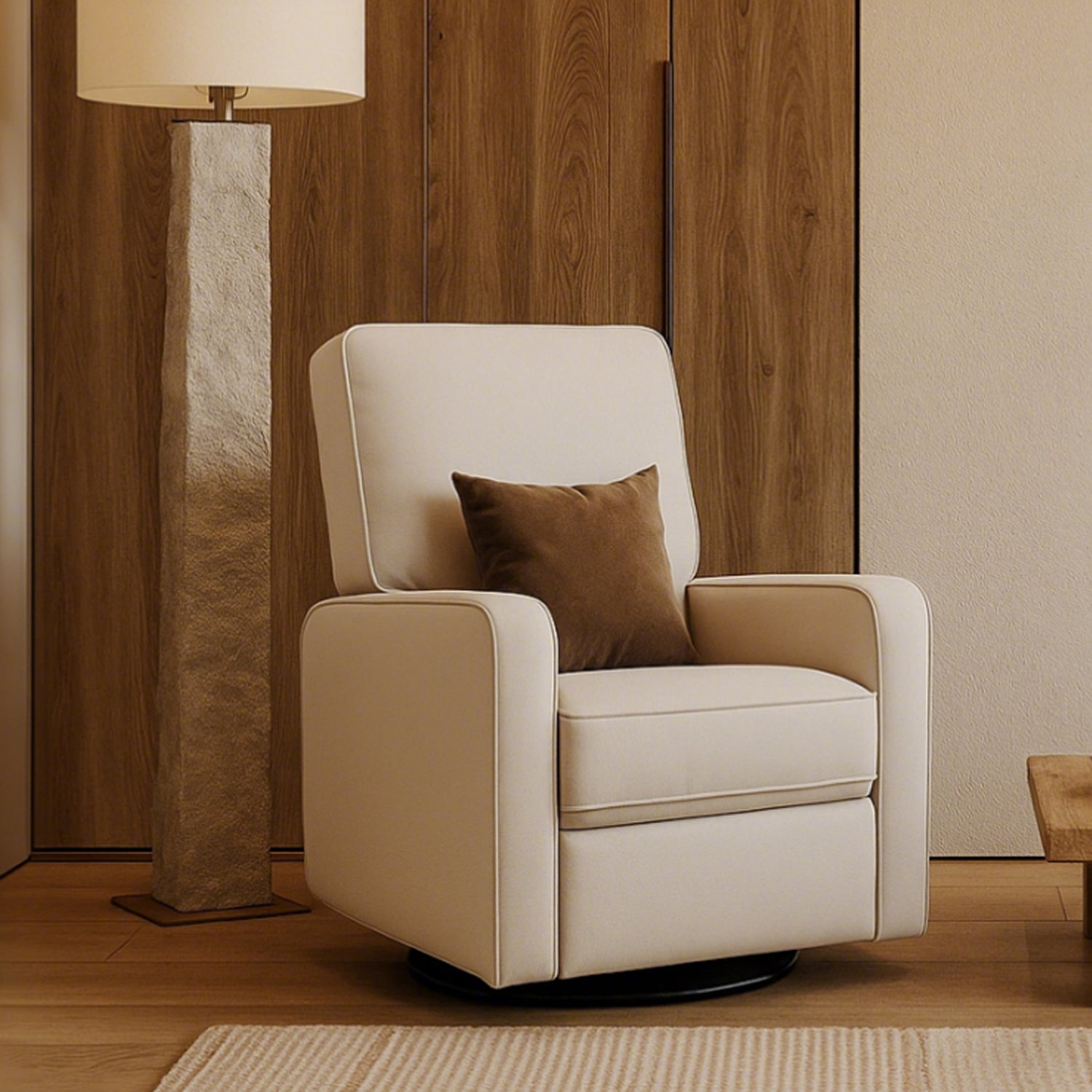
When Your Body Needs to Let Go
After long hours of work or standing, sometimes you don’t just want to sit — you want support.
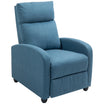
The recliner gently leans back and lifts your legs, helping your body release tension without interrupting your evening routine.
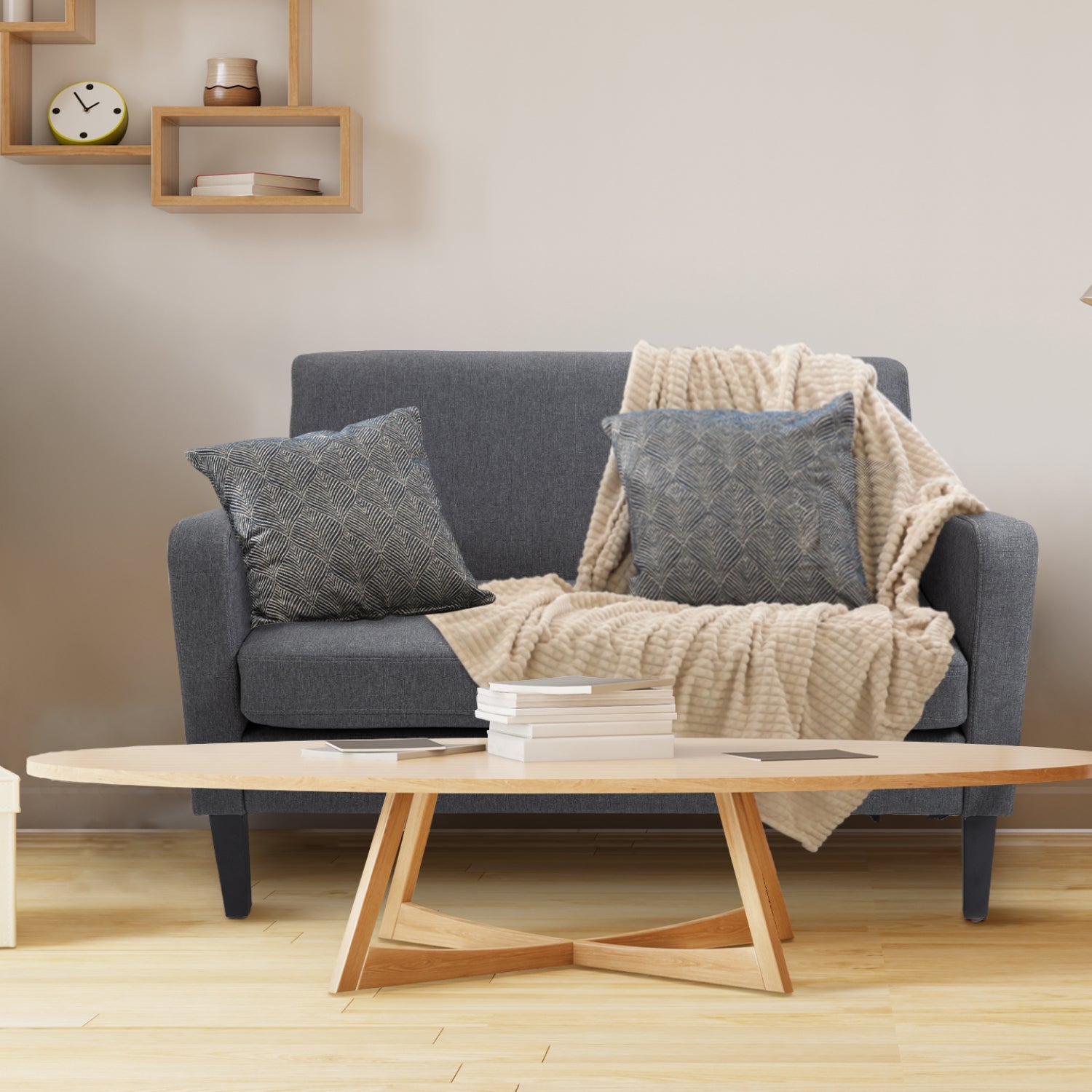
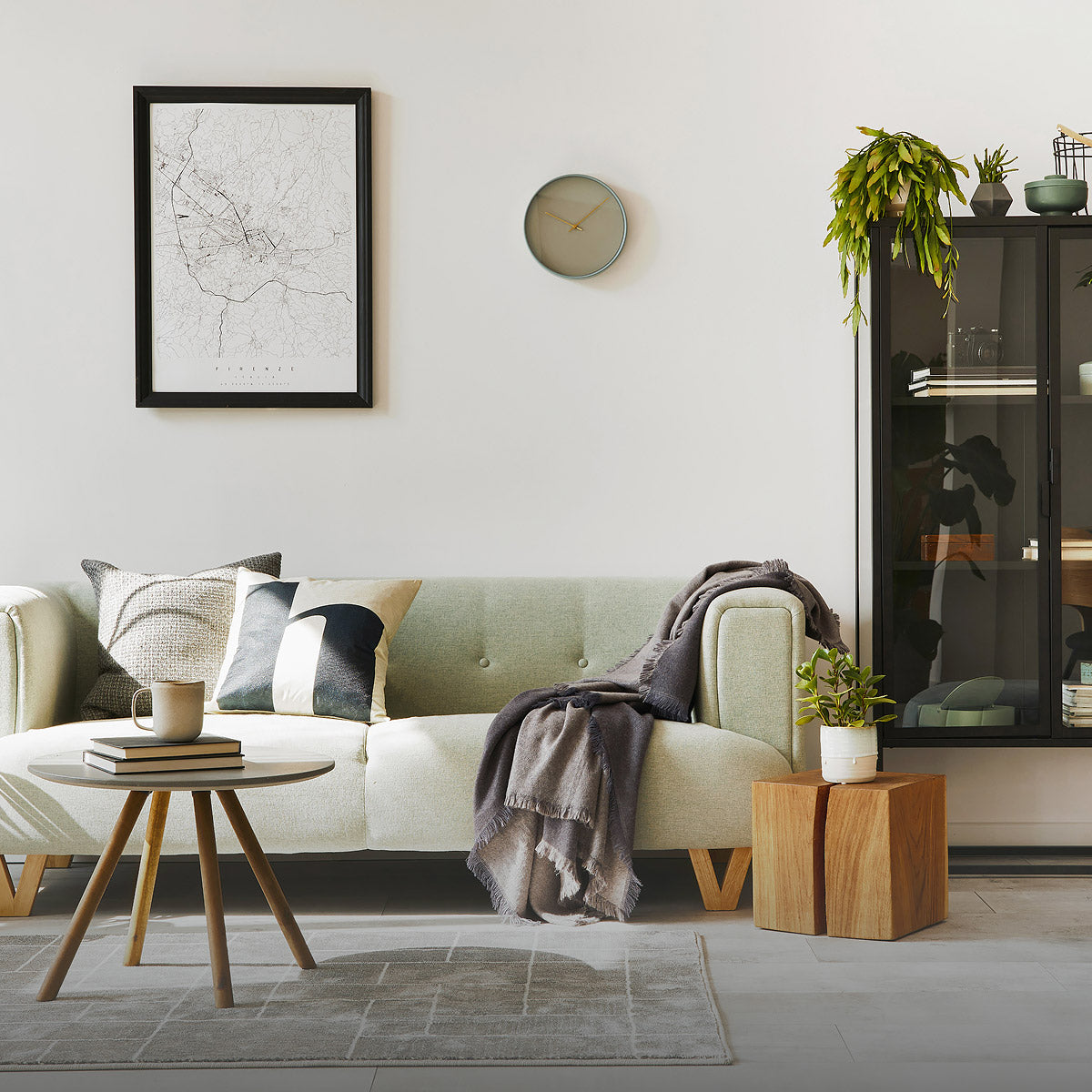
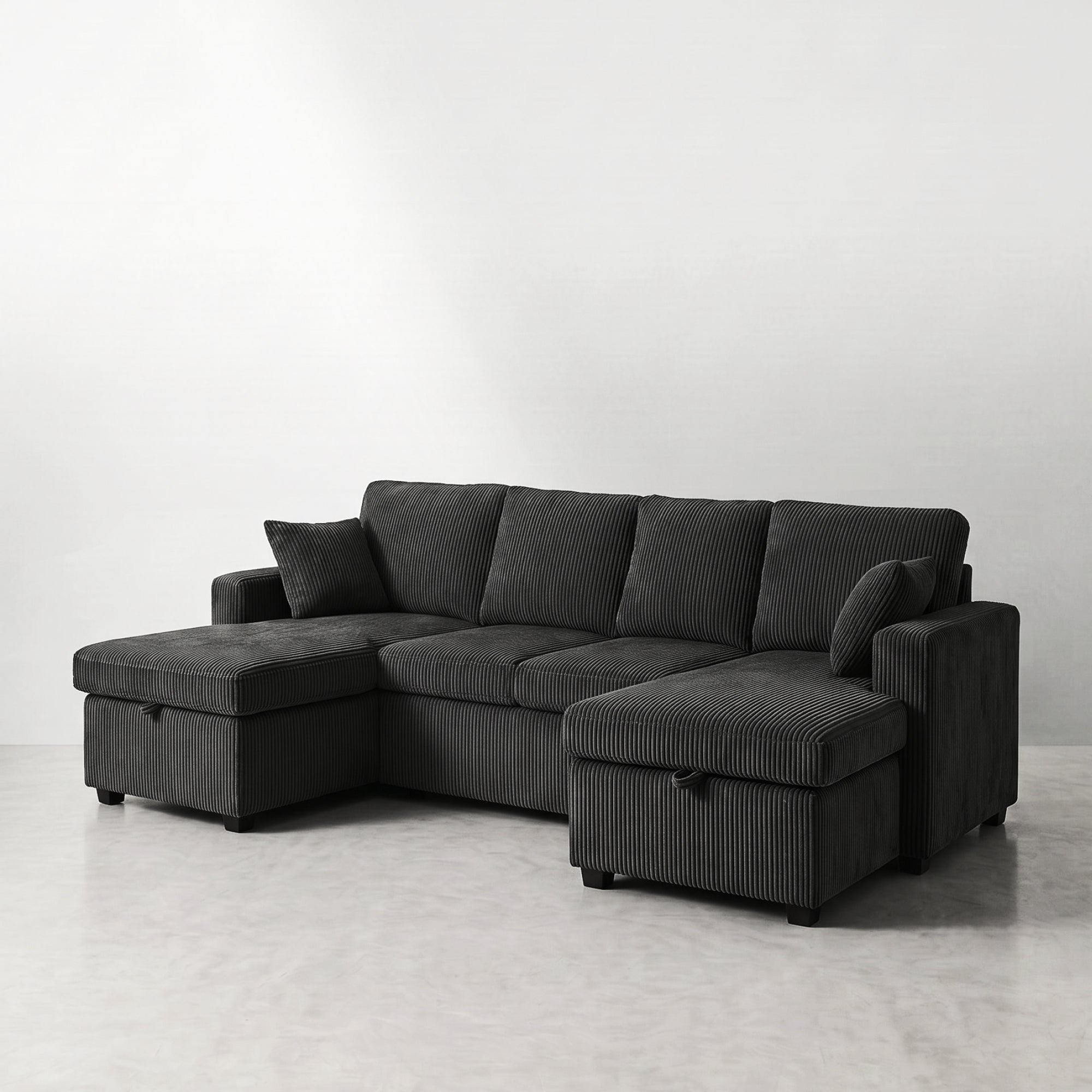
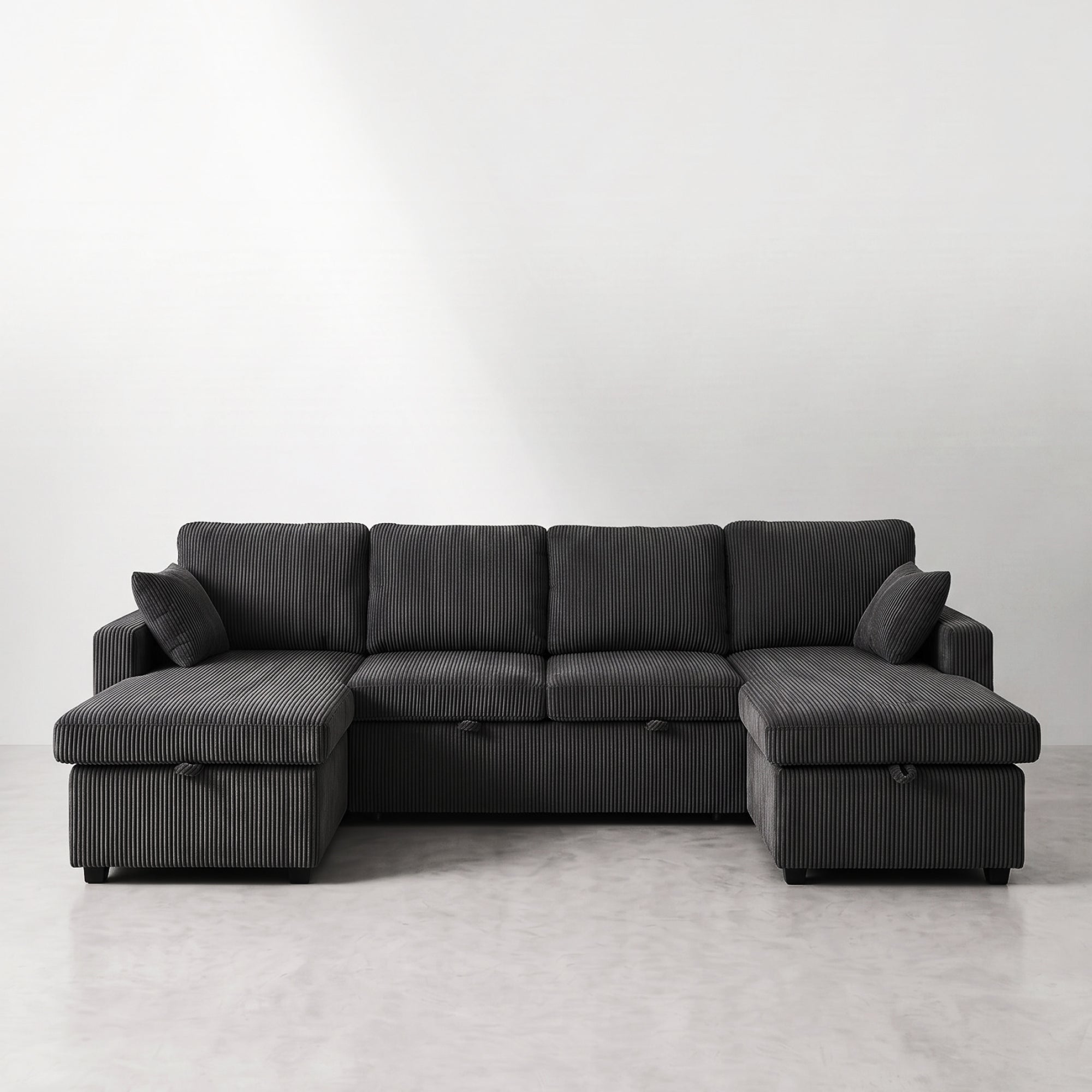
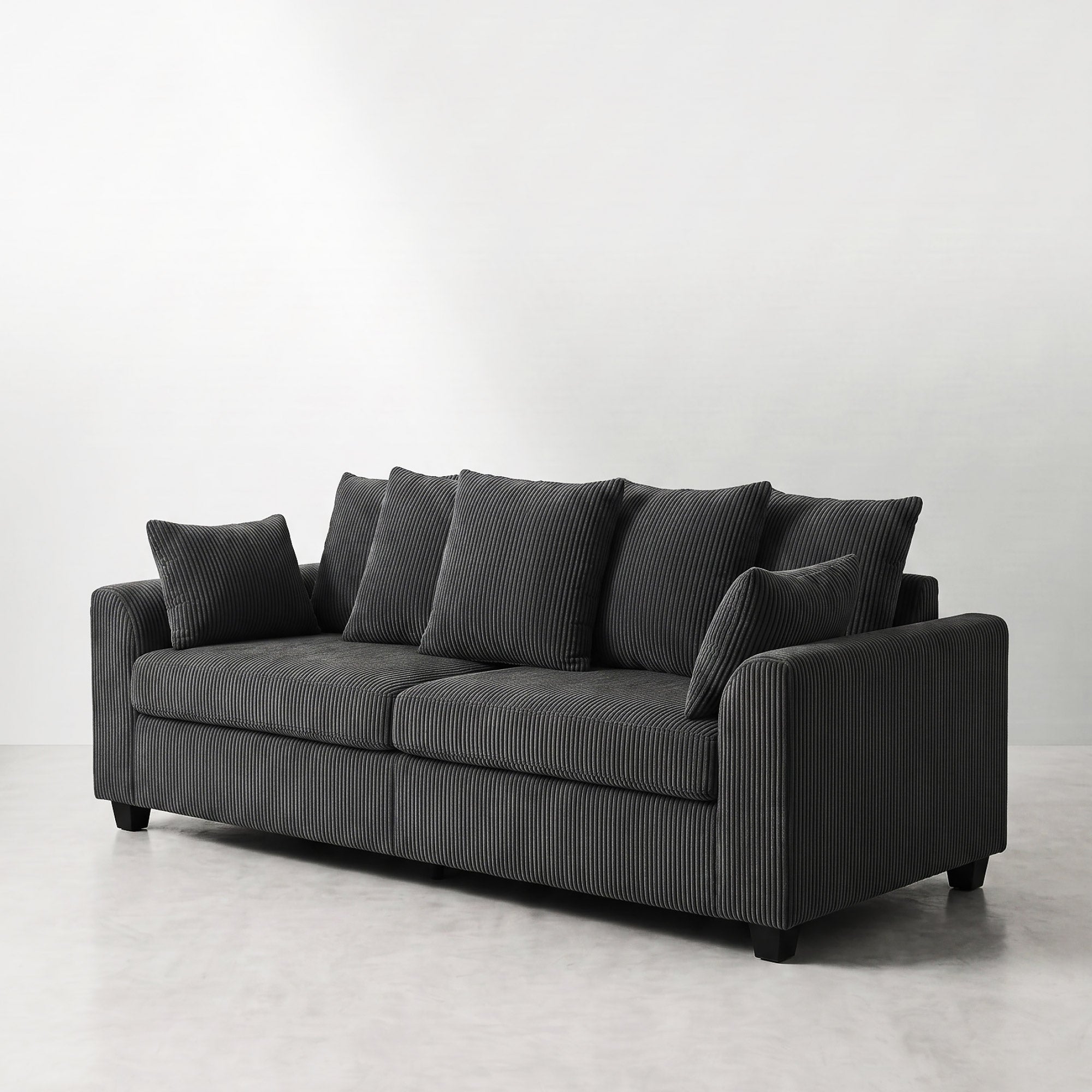
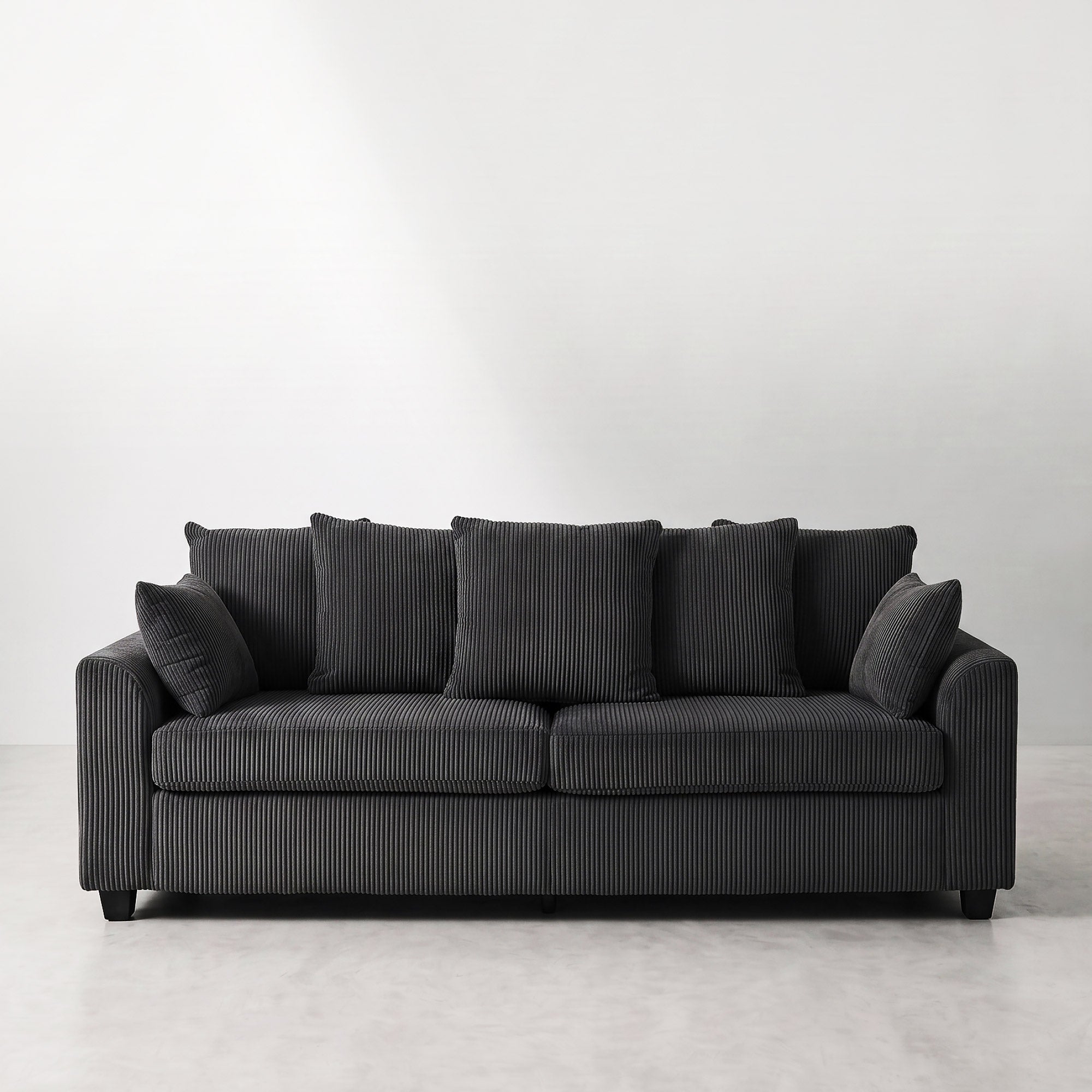
Where Everyday Life Happens
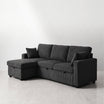
The sofa is where conversations unfold, movies are shared, and daily moments come together.
Designed for flexible comfort, it supports relaxed sitting while keeping everyone connected in the same space.
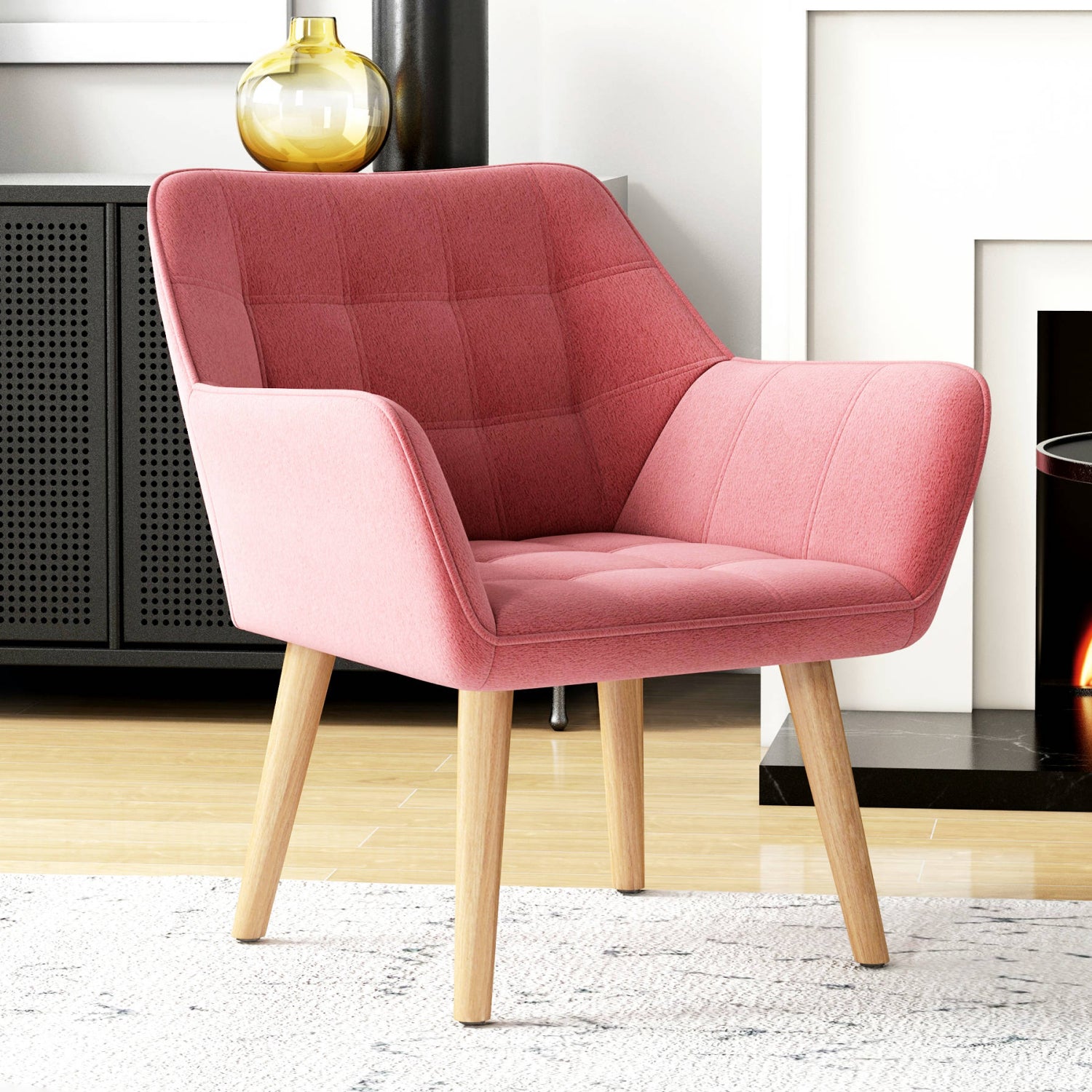
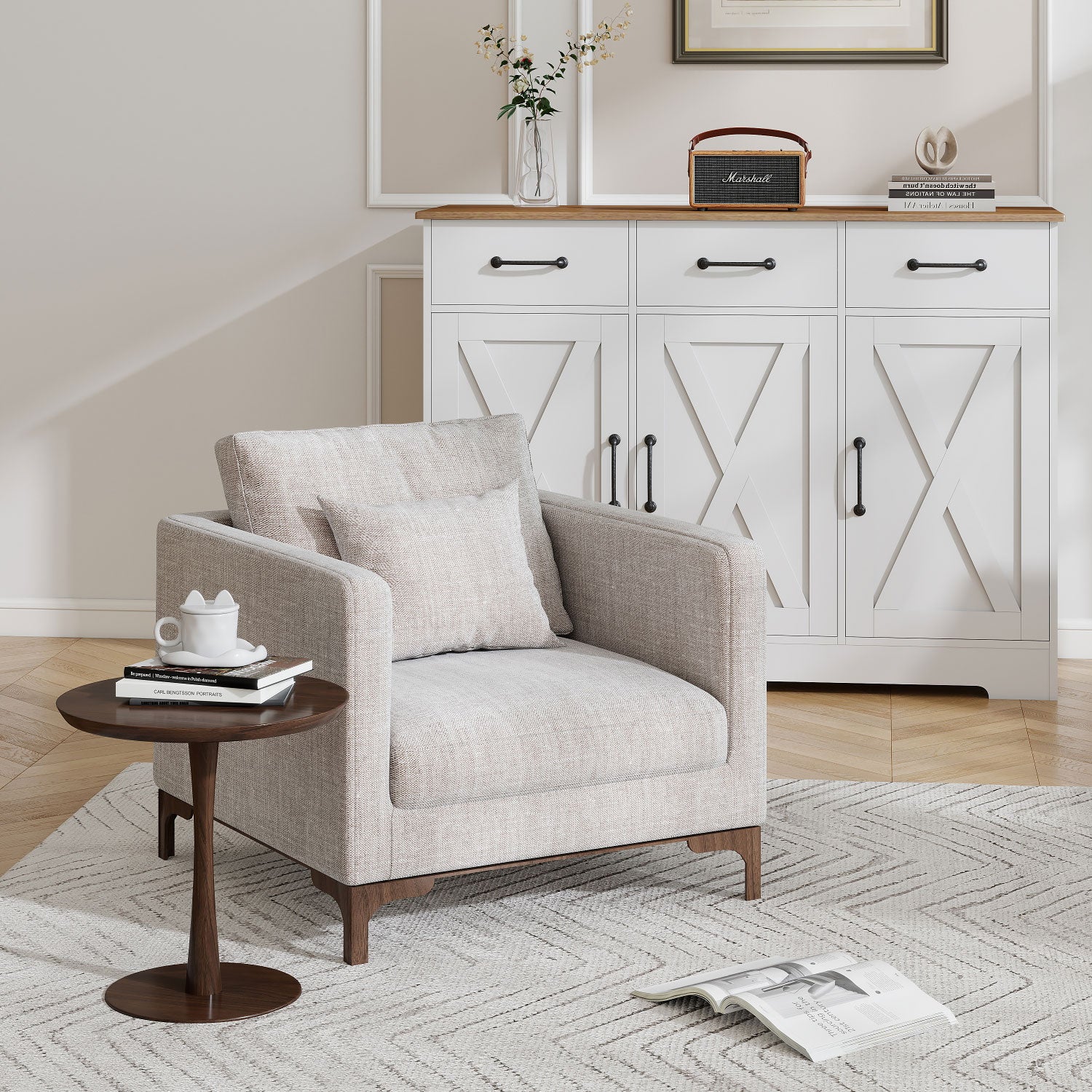
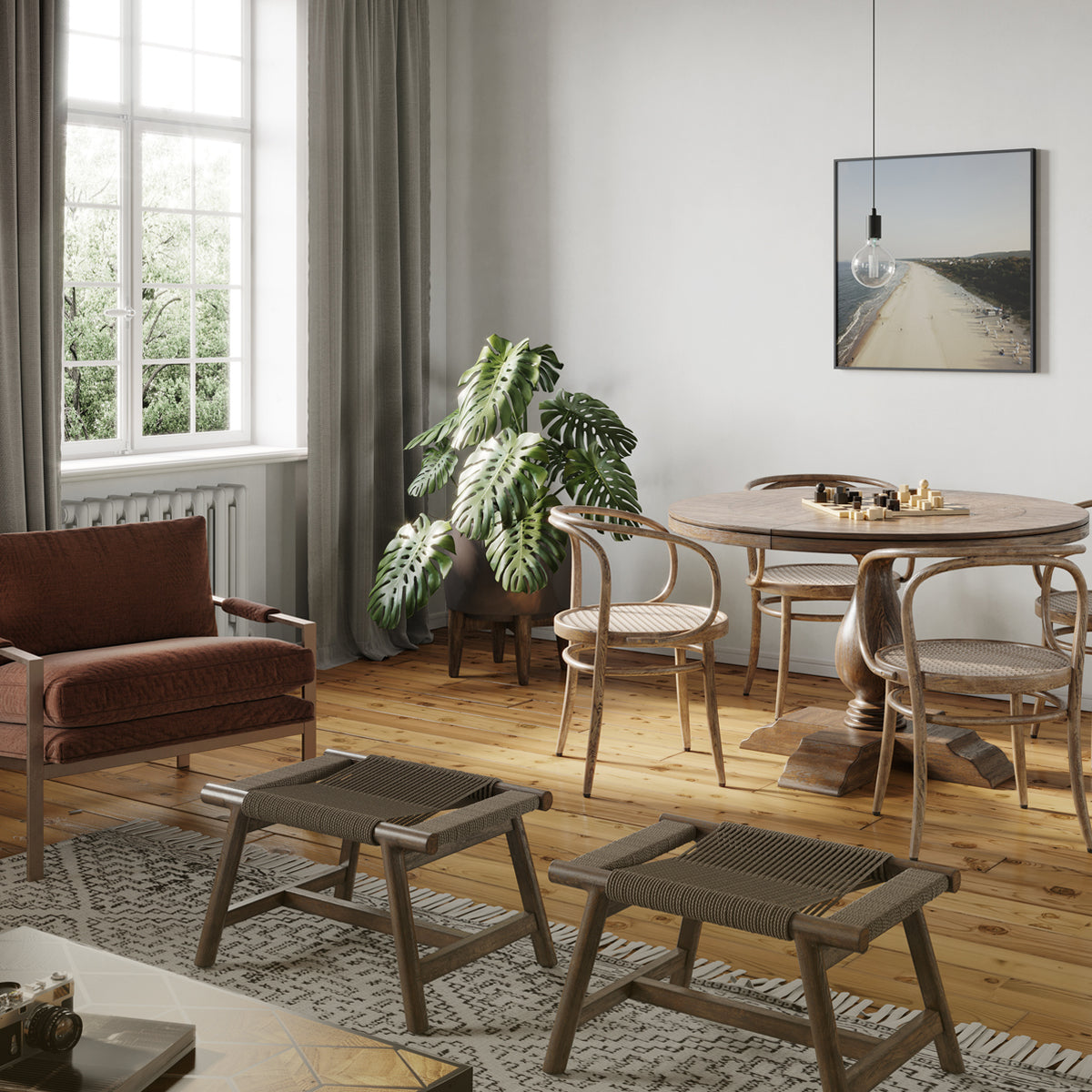
Quiet Moments of Your Own
Not every break needs a full recline.
Sometimes, it’s about a calm corner — a coffee, a book, a pause between tasks.
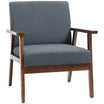
An accent chair offers light comfort while adding character to the room.

Why Many People Feel Tired — Even When you Sit Down
At the end of the day, most people don’t plan to rest.
They simply sit down.
On whatever seat is closest.
But sitting doesn’t always mean relaxing.
Your body may still be holding posture.
Your legs may still be carrying tension.
Your shoulders may still be working.
That’s why many people feel tired even during “rest time”.
True relaxation begins when the body no longer needs to support itself.

What “Relaxing Correctly” Really Means
Relaxing correctly doesn’t require lying down or switching off completely.
It requires the right level of support.
When your back is supported, when your legs can rest, and when your body doesn’t need to constantly adjust, muscles begin to release tension naturally.
This is why different seats exist —
not because one is better than another, but because they support different ways of resting.
We all rest differently — and that’s exactly why different seats exist.
Below are three common ways people relax at home. See which one sounds most like you, and start from there.
Compare the Seats, Not the Lifestyle
Each seat is designed for a different way of resting. Use the table below to see how recliners, sofas and accent chairs support different needs — and decide what fits your everyday life best.
| Recliner | Sofa | Accent Chair | |
|---|---|---|---|
| Primary purpose | Individual Relaxation & Body Rest | Shared Seating & Everyday Family Use | Add Style & Occasional Seating |
| Sitting positions | Reclining with leg support | Upright sitting, lounging, or semi-lying positions | Primarily upright sitting |
| Body support | Supports both back and legs to encourage relaxation | Mainly supports the back, with flexible leg positions | Basic support for back and seat |
| Suitable sitting time | Well suited for longer periods of use | Suitable for everyday family use | Better for shorter sitting periods |
| Comfort focus | Relaxation and physical comfort | Versatility and shared comfort | Visual style and atmosphere |
| Space impact | Medium footprint | Larger footprint | Compact footprint |
| Role in the room | A personal relaxation seat | The main shared seating in the living room | A secondary or decorative seat |

Tom
“I never realised how much I needed a recliner until I got one. It’s my go-to for unwinding after a busy day at work.”

Lucy
“Our family loves the sofa — it’s perfect for movie nights and weekends with the kids.”

Sarah
“The accent chair fits perfectly in my living room corner. I love how it adds a pop of colour and comfort.”